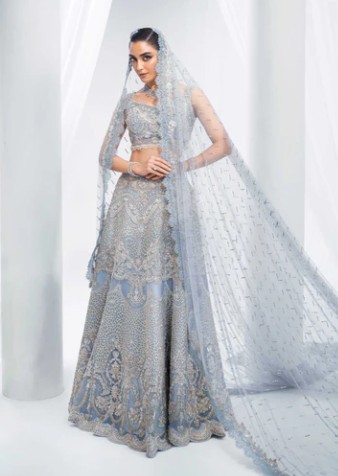
Your wedding day represents one of life’s most treasured moments, and choosing the right Pakistani bridal wear becomes a journey filled with emotion, tradition, and personal expression. The bridal outfit you select tells your story while honoring cultural heritage, making this decision both deeply personal and profoundly meaningful.
The Art of Pakistani Bridal Fashion
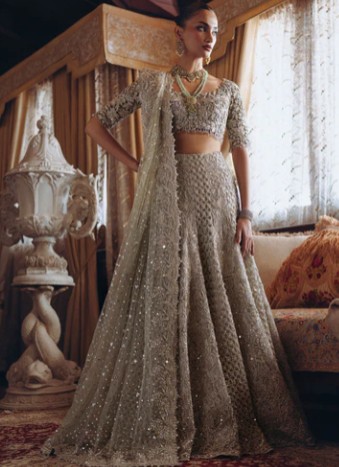
Photo credit SAIRA SHAKIRA
Pakistani bridal dresses has evolved into a sophisticated blend of traditional craftsmanship and contemporary design sensibilities. Today’s bridal collections showcase intricate hand embroidery, luxurious fabric selections, and silhouettes that celebrate both heritage and innovation. From classic red and gold ensembles to modern pastel creations, the spectrum of options allows every bride to find her perfect match.
Saira Shakira, founded by talented Pakistan Institute of Fashion Design graduates Saira Faisal and Shakira Usman, has become a leading name for women seeking elegant, contemporary designs rooted in Pakistani heritage. Since 2011, the brand has redefined what bridal couture means, creating pieces that reflect individual style while maintaining the highest quality standards.
Understanding Bridal Dress Styles
Traditional Bridal Ensembles
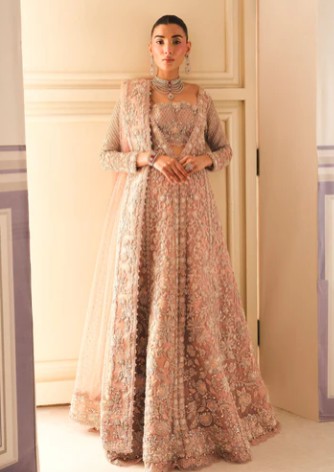
Photo credit SAIRA SHAKIRA
Traditional wedding dresses in Pakistan typically feature rich colors, particularly regal reds, deep maroons, and opulent golds. These classic pieces include lehengas with heavily embroidered cholis, gharara sets with detailed borders, and sharara ensembles that create stunning visual impact. The traditional route honors centuries of cultural aesthetics, featuring motifs passed down through generations of artisans.
What makes traditional bridal outfits timelessly appealing is their ability to make brides feel connected to their heritage. The weight of embroidered fabric, the shimmer of zardozi work, and the richness of color create an unmistakable bridal presence.

Contemporary Bridal Collections
Modern brides increasingly gravitate toward contemporary interpretations of wedding wear. These designs feature pastel color palettes, minimalist embroidery, and modern silhouettes while maintaining the essence of Pakistani bridal tradition. Blush pinks, mint greens, powder blues, and ivory tones offer softer alternatives to traditional colors, creating ethereal bridal looks that photograph beautifully.
Contemporary bridal fashion incorporates asymmetrical hemlines, innovative necklines, and unexpected color combinations. This approach appeals to brides who want to honor tradition while expressing their modern aesthetic sensibilities.
Fabric Selection for Bridal Outfits

Photo credit SAIRA SHAKIRA
The foundation of exceptional bridal wear begins with fabric choice. Premium materials transform designs from beautiful to breathtaking. Bridal collections typically feature net, tissue, organza, velvet, and silk each selected for specific qualities.
Velvet provides rich texture and holds embroidery magnificently, making it perfect for winter weddings. Organza offers lightweight elegance with structural capability, ideal for layered designs. Silk brings natural sheen that catches light beautifully, while net and tissue create ethereal, flowing movement. Jamawar adds traditional richness with its woven patterns that complement embroidered embellishments.
Understanding fabric behavior helps brides make informed choices. Heavy embroidery requires stable base fabrics like raw silk or velvet, while flowing dupattas benefit from lighter organza or net.
The Craft Behind Bridal Embellishments
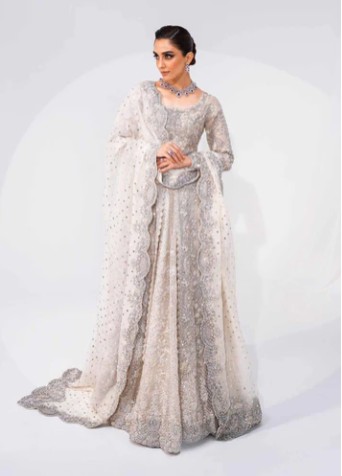
Photo credit SAIRA SHAKIRA

What truly distinguishes high-end bridal wear is the artisanal work that adorns each piece. Master craftsmen employ traditional techniques including zardozi (metallic thread embroidery), dabka (coiled wire work), sequin application, pearl embellishment, and stone setting. Each technique requires years of training to execute properly.
The design process takes between 6 to 12 weeks, ensuring that each bridal outfit receives the attention and craftsmanship it deserves. This timeline reflects the painstaking hand work involved in creating pieces worthy of such an important occasion. Rushing this process compromises quality, which is why reputable designers maintain realistic timelines.
Customization: Creating Your Dream Bridal Look
The beauty of working with established bridal designers lies in customization opportunities. Your journey to the perfect bridal dress begins with one-on-one consultations where designers discuss your wedding theme, venue, cultural preferences, and personal style.
During consultations, you’ll explore fabric options, embroidery patterns, color palettes, neckline styles, and silhouette preferences. This collaborative approach ensures the final piece authentically represents your vision. Many brides bring inspiration images, family heirloom pieces for reference, or specific cultural elements they want incorporated.
Customization extends beyond the main bridal outfit. Coordinating pieces for your mehndi, walima, and reception events create cohesive looks throughout wedding festivities. Some brides also coordinate complementary outfits for mothers and bridal party members, ensuring visual harmony in wedding photography.
Styling Your Pakistani Bridal Wear
Jewelry Coordination
Bridal jewelry requires thoughtful coordination with your outfit’s embellishments. Heavily embroidered necklines pair beautifully with statement earrings and skip the necklace, allowing the dress detailing to shine. Simpler necklines accommodate elaborate jewelry sets featuring polki, kundan, or diamond pieces.
Consider the overall weight distribution if your outfit is heavily embellished, lighter jewelry prevents overwhelming the look. Conversely, minimal dress embroidery provides opportunity for dramatic jewelry statements.

Makeup and Hair Considerations
Your bridal makeup should complement both your outfit and personal features. Traditional red and gold outfits pair beautifully with defined eyes, bold lips, and dewy skin. Pastel contemporary pieces work well with softer makeup featuring neutral tones and highlighted features.
Hair styling depends on your outfit’s neckline and dupatta draping. High necklines suit elegant updos that showcase the design, while open necklines accommodate flowing hairstyles. Your dupatta placement also influences hair choices, particularly if you’re wearing it traditionally over your head.
Planning Your Bridal Shopping Timeline
Successful bridal shopping requires realistic planning. Begin your search six to nine months before your wedding date, allowing adequate time for consultations, customization, and any necessary adjustments. This timeline accommodates the craftsmanship required without rushing the process.
Saira Shakira offers virtual bridal consultations via WhatsApp or Zoom for clients around the world, making it possible for brides anywhere to access exceptional design services. This accessibility has expanded opportunities for brides living outside major fashion centers.
Investment Considerations
Pakistani bridal wear represents a significant investment, but understanding value helps frame this expense appropriately. Quality bridal outfits become family heirlooms, potentially worn by future generations or preserved as cherished memories. The craftsmanship, materials, and design expertise justify premium pricing.
When evaluating costs, consider the complexity of embroidery work, fabric quality, designer reputation, and customization level. Transparent pricing from established brands prevents unexpected expenses and reflects professional business practices.
Caring for Your Bridal Outfit
Proper care preserves your bridal outfit’s beauty for years. After your wedding, have the outfit professionally cleaned to remove makeup, perspiration, or food stains. Store it in a breathable garment bag away from direct sunlight, using acid-free tissue paper to support folds and prevent creasing.

Periodically inspect stored outfits for any signs of fabric deterioration or embellishment loosening. Addressing issues promptly prevents larger problems. Some brides choose professional preservation services that specially package outfits for long-term storage.
Frequently Asked Questions
Q: How far in advance should I start shopping for Pakistani bridal wear?
A: Begin your bridal outfit search six to nine months before your wedding date. This timeline allows for designer consultations, customization decisions, the 6-12 week creation process, and any necessary adjustments or alterations. Starting early reduces stress and ensures you receive your dream outfit with time to spare.
Q: Can I customize colors and designs in bridal collections?
A: Absolutely. Most established designers, including Saira Shakira, offer extensive customization options. You can modify existing designs by changing colors, adjusting embroidery patterns, altering necklines, selecting different fabrics, and adding or removing embellishments.
Q: What’s the difference between traditional and contemporary Pakistani bridal wear?
A: Traditional bridal wear typically features rich colors like red, maroon, and gold with heavy embroidery, classic silhouettes such as lehengas and ghararas, and time-honored motifs. Contemporary bridal wear incorporates pastel color palettes, minimalist or strategically placed embroidery, modern cuts and asymmetrical designs, and innovative fabric combinations. Both styles honor Pakistani heritage while offering different aesthetic expressions.
Q: How do I choose between a lehenga, gharara, or sharara for my bridal outfit?
A: Consider your body type, comfort level, and wedding venue when choosing. Lehengas suit most body types and work well for elaborate choreographed events requiring movement. Ghararas offer traditional elegance with their characteristic knee-level flare, flattering various figures while providing comfort.
Q: Do Pakistani bridal designers ship internationally?
A: Yes, established designers like Saira Shakira ship worldwide to countries including the USA, UK, UAE, Canada, and Australia. International clients can schedule virtual consultations to discuss their requirements, make design decisions remotely, and receive their custom pieces through secure international shipping.
Final Thoughts
Choosing your Pakistani bridal wear represents a beautiful journey of self-expression, cultural celebration, and aesthetic exploration. Whether you envision yourself in traditional red and gold splendor or contemporary pastel elegance, the key lies in finding a designer who understands your vision and possesses the craftsmanship to bring it to life.

Saira Shakira exemplifies what exceptional bridal design means—combining over a decade of expertise with personalized attention to each bride’s unique story. The investment in quality bridal wear pays dividends not just on your wedding day but in the memories and legacy your outfit creates.
Begin your bridal journey thoughtfully, allowing adequate time for the process, and trust in the expertise of established designers who have dedicated their careers to making brides feel extraordinary on the most important day of their lives.
Recommend0 recommendationsPublished in Uncategorized